
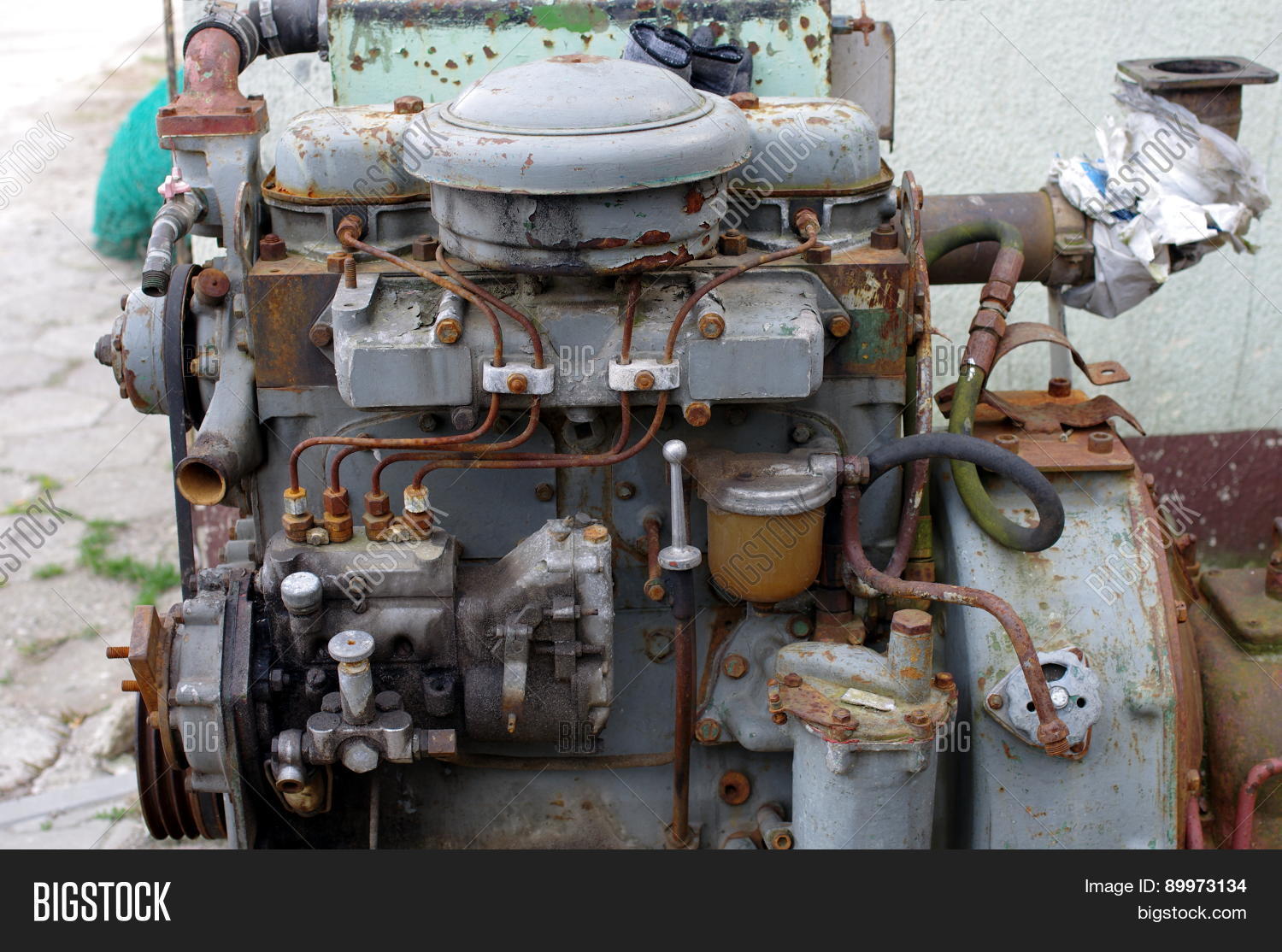
What to Do With an Old Car Engine
Disposing of an automotive engine, whether from a retired vehicle or a major repair, necessitates strategic decision-making. Professionals face choices impacting financial returns, resource recovery, and environmental responsibility. Understanding these pathways is crucial for optimizing value and ensuring compliant, sustainable practices within the automotive aftermarket.
The Salvage Yard Approach
The most direct method involves transporting the engine to a licensed automotive salvage yard or metal recycler. This capitalizes on the engine’s bulk material value, primarily as ferrous and non-ferrous metals, purchased by weight at prevailing commodity market rates. The primary advantage is efficiency; the engine is removed quickly, demanding minimal effort or specialized expertise from the owner. However, this convenience often sacrifices significant potential revenue. Selling an engine as a complete, undifferentiated unit generally undervalues functional components. This method prioritizes swift disposition and low transactional friction, suitable for those needing quick clearance with minimal investment, accepting the lowest financial return.
Component Part-Out Strategy
A more lucrative, though labor-intensive, alternative is disassembling the engine to sell individual components. Modern engines contain numerous valuable parts: cylinder heads, crankshafts, camshafts, and ancillaries like turbochargers. Each, if in good working order or suitable for reconditioning, can command a higher price separately than the engine would fetch as a whole. This strategy requires mechanical proficiency, specialized tools, and substantial time for careful disassembly, cleaning, inspection, and individual marketing. The higher aggregate return stems from capitalizing on specific demand for functioning used replacement parts, particularly for vehicles still actively serviced. This approach offers superior financial yield for those willing to invest the effort and possess the necessary skills.

Rebuilding and Resale Considerations
In specific scenarios, an engine’s intrinsic value might justify a full rebuild and subsequent resale as a refurbished unit. This path promises the highest financial return but demands the most significant investment in expertise, specialized tools, parts, and machining. Prime candidates are engines from high-demand vehicles, classic cars, or specialized industrial equipment where new replacements are scarce or expensive. Viability hinges on meticulous assessment of the engine’s core condition (block, heads) and the availability of reconditioning services. A comprehensive rebuild involves processes like cylinder honing, bearing and ring replacement, and crankshaft grinding. The market typically comprises professional mechanics and specialty shops. While potentially lucrative, this strategy carries higher risks related to upfront costs and market acceptance.
Navigating Regulatory Compliance and Environmental Impact
Regardless of the chosen strategy, adherence to environmental regulations and responsible waste management is critical. Automotive engines contain various fluids (oil, coolant) and potentially hazardous materials. Proper disposal is a legal and ethical imperative. Utilizing a licensed salvage yard ensures environmental protocols, such as fluid draining and hazardous waste segregation, are handled by certified professionals. If opting for a component part-out or rebuild, this responsibility transfers directly to the individual or business. This necessitates channeling used engine oil, coolant, and contaminated absorbents through certified waste management providers. Non-compliance risks substantial fines and ecological damage. Beyond legal mandates, embracing environmentally sound practices reinforces corporate responsibility and sustainability.
| Approach | Effort/Expertise | Potential Financial Return | Time Investment | Environmental Impact |
|---|---|---|---|---|
| Selling Whole to Scrap Yard | Low (transport only) | Low (scrap metal value) | Immediate (days) | Neutral (handled by yard) |
| Parting Out Components | High (mechanical skills, tools) | Medium-High (part-specific market value) | Medium (weeks to months) | Moderate (individual responsibility) |
| Rebuilding for Resale | Very High (professional skills, specialized equipment) | Very High (refurbished unit market value) | High (months to year) | Moderate (individual responsibility) |
- Safety First: Always use PPE like gloves and eye protection. Secure the engine to prevent movement during work.
- Drain All Fluids: Completely drain and collect oil, coolant, and other fluids for environmentally compliant disposal.
- Document Condition: Photograph and note part numbers, especially for individual component sales, aiding accuracy.
- Market Research: Before committing, research demand and value for specific engine types and their components.
- Ownership Proof: For full disposal or sale, ensure you have documentation to comply with regulations.
- Component Preparation: For part sales, clean components thoroughly; presentation enhances perceived value.
- Logistics Planning: Engines are heavy; plan safe transport with appropriate lifting equipment.
The optimal strategy for managing an old car engine depends on resources, desired financial outcome, and time constraints. For rapid disposition with minimal effort and no specialized mechanical capabilities, the Salvage Yard Approach is most practical, yielding the lowest financial return. For those with mechanical expertise, tools, and patience, the Component Part-Out Strategy offers a demonstrably superior financial yield by monetizing individual valuable parts. The Rebuilding for Resale path is a niche endeavor, justifiable only when exceptional intrinsic value, strong market demand, and substantial investment in skilled labor and parts can be recouped. Our clear recommendation: rigorously assess capabilities and market potential. For most scenarios, a thoughtful part-out will extract significantly more value than simple scrapping, provided environmental regulations are strictly adhered to.