
Do Most Americans Carry Credit Card Debt?
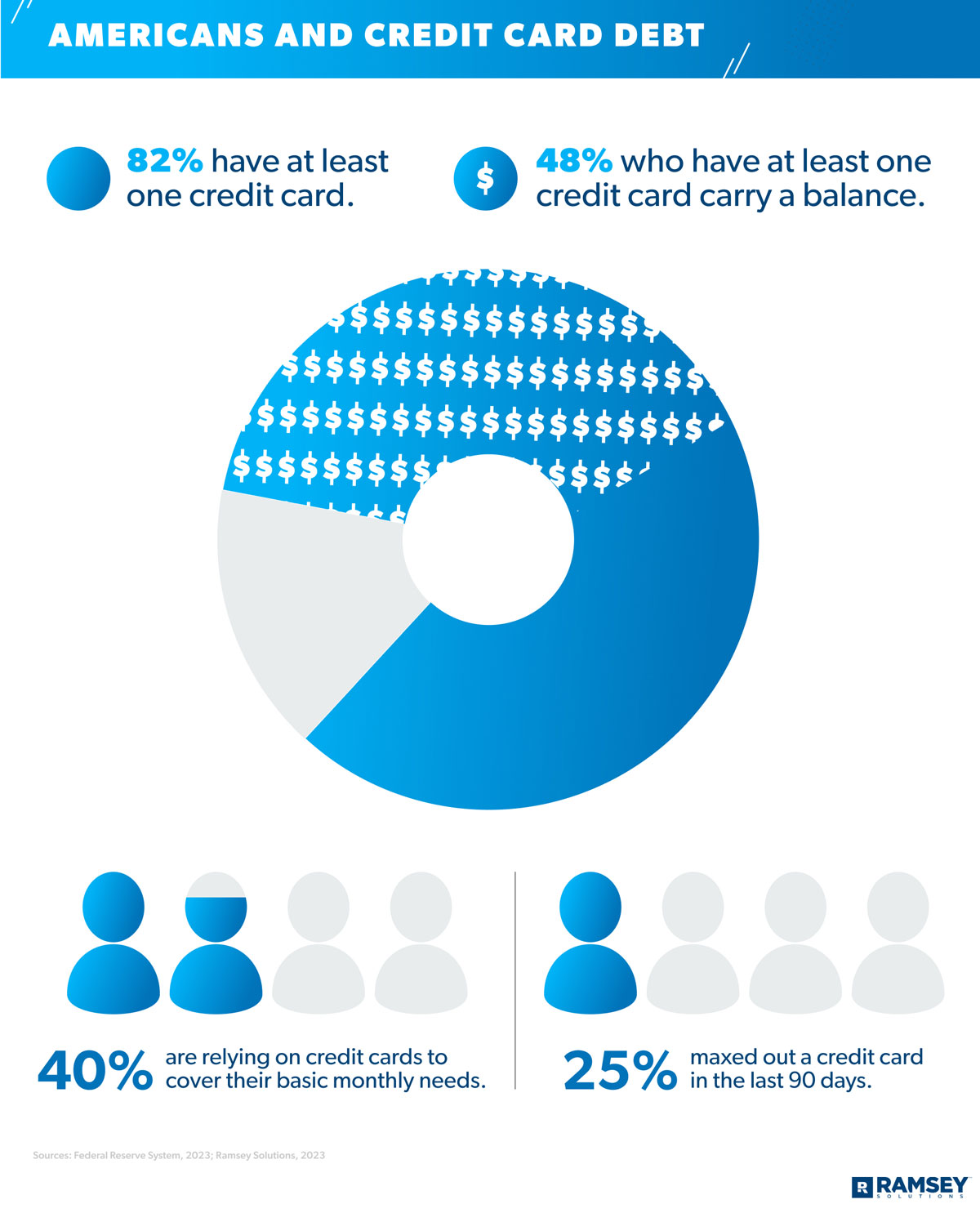
The ubiquity of credit cards in American wallets often leads to questions about the nation’s financial health, particularly concerning debt. While a vast majority of Americans possess credit cards, understanding whether they consistently carry a balance – true credit card debt – is crucial for a nuanced perspective on personal finance. This guide will clarify the landscape of credit card usage and debt, offering practical insights.
The Landscape of American Credit Card Usage and Debt
Credit cards are an integral part of the American financial system, used for everything from daily purchases to building credit scores. However, the distinction between using a credit card and accumulating debt on it is paramount. Many consumers use cards for convenience, rewards, or tracking expenses, paying off their full balance monthly before interest accrues. Others, whether due to unexpected expenses, lifestyle choices, or financial hardship, carry a revolving balance, incurring interest charges.
Recent data indicates that a significant portion of American households do carry credit card debt from month to month. This isn’t just a matter of having a credit card; it’s about not being able to pay the full statement balance by the due date. The total outstanding credit card debt across the U.S. frequently reaches trillions of dollars, fluctuating with economic conditions and consumer spending habits. While the average debt per household can be substantial, these figures encompass a wide spectrum, from minimal balances to overwhelming amounts.
Key Takeaway: A large number of Americans utilize credit cards, but a considerable segment also carries interest-accruing debt, contributing to a substantial national total.

Understanding the Nuance: Carrying a Balance vs. Debt
It’s vital to differentiate between merely having a credit card or using it for transactions and actively carrying a balance that accrues interest. When you use a credit card and pay the full statement balance by the due date, you effectively utilize the card’s features without incurring debt or interest. This is often referred to as being a "transactor." Transactors benefit from rewards, fraud protection, and convenience, all while maintaining good credit health.
Conversely, when you do not pay your statement balance in full and carry over a portion to the next billing cycle, you become a "revolver." Revolving a balance means you begin to accrue interest on the unpaid amount, transforming a convenient payment tool into a source of ongoing debt. This distinction is fundamental because it affects personal financial health, credit scores, and long-term financial stability. Understanding this difference is the first step toward responsible credit card management.
Key Takeaway: Using a credit card without carrying a balance avoids debt; carrying a balance, however, leads to interest accrual and constitutes true credit card debt.
Common Factors Contributing to Credit Card Debt
Numerous factors can lead individuals and households to accumulate credit card debt. Understanding these triggers is essential for both prevention and resolution. Often, it’s a combination of these elements rather than a single cause.
- Unexpected Expenses: Medical emergencies, car repairs, or home repairs can quickly deplete savings, leading people to rely on credit cards to cover costs.
- Loss of Income or Reduced Hours: Job loss, reduction in work hours, or salary cuts can make it difficult to cover essential living expenses, forcing reliance on credit.
- Overspending and Lifestyle Inflation: Spending beyond one’s means, often driven by a desire for a higher standard of living or impulse purchases, can lead to accumulating debt.
- High Interest Rates: Credit cards often come with high Annual Percentage Rates (APRs). Even small balances can grow significantly if only minimum payments are made.
- Lack of Financial Literacy: Insufficient understanding of budgeting, interest calculations, and the long-term costs of revolving debt can lead to poor financial decisions.
- "Minimum Payment Trap": Paying only the minimum amount due prolongs the debt, significantly increases total interest paid, and keeps individuals in a cycle of debt for years.
- Economic Downturns: Broader economic challenges, such as recessions or high inflation, can erode purchasing power and increase the need for credit to bridge gaps.
- Divorce or Relationship Changes: Life events involving significant financial shifts, like divorce, can result in increased individual expenses or shared debt obligations becoming solely one person’s responsibility.
These factors highlight the complex interplay of personal circumstances, economic realities, and financial habits that shape an individual’s credit card debt situation.
Key Takeaway: A combination of personal emergencies, economic pressures, and spending habits are primary drivers of credit card debt.
Strategies for Managing and Avoiding Credit Card Debt
Proactive management and strategic planning are crucial for either avoiding credit card debt altogether or effectively reducing existing balances. Implementing sound financial practices can lead to greater financial freedom.
- Create and Stick to a Budget: Track all income and expenses to understand where your money goes. Allocate funds for necessities, savings, and debt repayment.
- Pay More Than the Minimum: Aim to pay as much as you can above the minimum payment. Even a little extra can significantly reduce the total interest paid and the time it takes to become debt-free.
- Prioritize High-Interest Debt: Utilize strategies like the "debt snowball" (paying off smallest debt first for psychological wins) or "debt avalanche" (paying off highest interest debt first to save money) to tackle balances.
- Consolidate Debt: Consider a balance transfer card with a 0% APR introductory period or a personal loan to consolidate multiple high-interest debts into a single, lower-interest payment.
- Build an Emergency Fund: Having 3-6 months of living expenses saved can prevent reliance on credit cards for unexpected costs.
- Negotiate Interest Rates: Contact your credit card issuer to request a lower APR, especially if you have a good payment history.
- Limit New Credit: Avoid opening new credit accounts if you are struggling with existing debt, as it can worsen your financial situation.
- Seek Professional Help: If debt feels insurmountable, consider credit counseling services. They can help develop a debt management plan or explore other options.
Common Mistakes to Avoid
- Only Paying the Minimum: This prolongs debt and maximizes interest paid.
- Ignoring Statements: Avoidance only exacerbates the problem; confronting balances is the first step to resolution.
- Closing Old Accounts Rashly: This can negatively impact your credit utilization ratio and overall credit score.
- Using Credit Cards for "Wants" While in Debt: Prioritize needs and debt repayment over discretionary spending.
- Not Understanding Interest Rates and Fees: Be fully aware of the costs associated with your credit cards.
Key Takeaway: Proactive budgeting, strategic repayment methods, and building an emergency fund are vital for effective debt management and avoidance.
FAQ Section
What is the average credit card debt per household in America?
While precise figures fluctuate, the average credit card debt for households that carry a balance in the U.S. often ranges significantly, sometimes exceeding several thousand dollars. It’s important to remember that this "average" lumps together many different financial situations, from those with small, manageable balances to individuals facing substantial debt.
Is all credit card debt bad debt?
Not necessarily. Credit card debt is often categorized as "bad debt" due to high interest rates. However, using a credit card responsibly and paying off the full balance monthly is considered "good" or "neutral" use of credit, as it helps build a credit history and score. Debt becomes problematic when it accumulates, accrues high interest, and becomes difficult to repay, diverting funds from savings or other financial goals.
How quickly can I pay off my credit card debt?
The speed at which you can pay off credit card debt depends on several factors: the total amount of debt, your interest rates, and how much extra you can afford to pay above the minimum. By creating a strict budget, cutting unnecessary expenses, and committing to larger monthly payments, it’s possible to significantly accelerate debt repayment. Debt consolidation or balance transfer options can also help reduce interest costs, shortening the repayment timeline.