
How Does Nature Design Light Harvesting Antennas?
In a world increasingly focused on energy efficiency and sustainable innovation, understanding nature’s millennia-honed designs offers an unparalleled strategic advantage. From the smallest bacteria to the tallest trees, organisms have perfected light harvesting antenna systems, providing a masterclass in converting solar energy with near-perfect efficiency. For any decision-maker seeking to optimize resource allocation, enhance product development, or secure long-term competitive positioning, delving into these natural blueprints is not merely academic—it’s a critical step toward informed, impactful progress, especially within the context of home energy and design.
The Blueprint of Efficiency: Nature’s Core Strategies
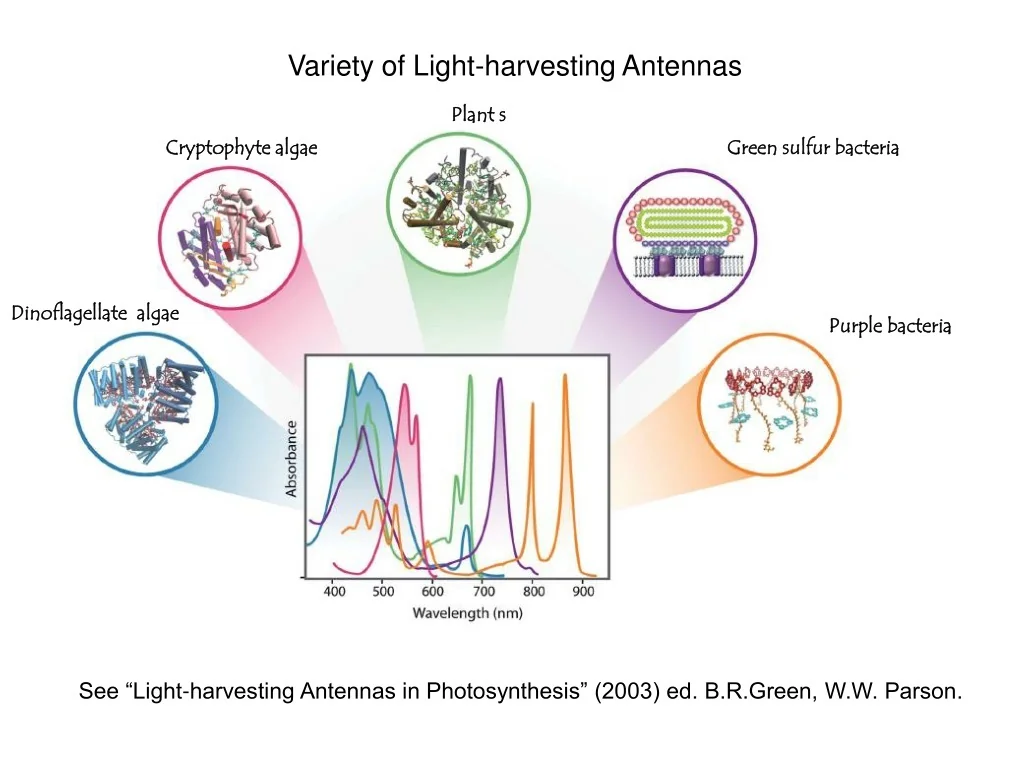
Nature’s light-harvesting antenna systems, primarily found in photosynthetic organisms, are marvels of molecular engineering. These intricate protein-pigment complexes, such as photosystem II in plants or chlorosomes in green sulfur bacteria, are designed for one purpose: to capture photons and transfer their energy to reaction centers with minimal loss. This process doesn’t rely on brute force, but on highly optimized quantum mechanical principles. Pigments like chlorophylls and carotenoids absorb specific wavelengths of light, creating excitons—packets of electronic energy. These excitons then migrate through a precisely arranged network of pigments via Förster resonance energy transfer (FRET), a process dictated by the spectral overlap of donor emission and acceptor absorption, and the distance between molecules. The energy funneling effect ensures that excitons move directionally towards the reaction center, where photochemical charge separation occurs. This multi-layered approach guarantees robustness, adaptability to varying light conditions, and an astounding quantum efficiency that often exceeds 95%.
For strategic decision-makers, these natural strategies underscore the value of precision engineering at a molecular level, the importance of system-level integration over isolated components, and the power of distributed energy capture. It highlights that optimizing conversion efficiency isn’t just about the primary absorber but the entire energy transfer pathway, minimizing dissipative losses at every step. This principle applies directly to home solar panel arrays, smart window technologies, or even the design of advanced LED lighting systems, where maximizing photon capture and conversion can significantly impact operational costs and environmental footprint.
Scaling Innovation: From Microbe to Market Opportunity
The lessons from nature’s antenna systems are profoundly scalable, offering insights for both small-scale domestic applications and large-scale industrial endeavors. At the micro-level, the self-assembly properties of these biological systems are revolutionary. Chlorosomes, for instance, can grow and adapt their size and pigment composition based on light availability, demonstrating a dynamic optimization that conventional synthetic materials struggle to achieve. Imagine home building materials or smart textiles that dynamically adjust their light absorption or reflection properties based on real-time environmental conditions, reducing heating and cooling loads without complex electronics.

On a larger scale, the sheer ubiquity and diversity of natural light harvesting across ecosystems offer blueprints for decentralized, resilient energy networks. Just as a forest utilizes myriad photosynthetic strategies across different species and canopy levels, a future home energy ecosystem could integrate diverse bio-inspired solar films, photoelectrochemical cells, and even algal bioreactors for power and waste treatment. The strategic implication is a shift from monolithic energy infrastructure to flexible, adaptable, and localized solutions that mimic nature’s distributed resilience. This approach mitigates single-point-of-failure risks and enables modular upgrades, critical considerations for long-term investment in sustainable home technologies and smart grid integration.
Strategic Imperatives: ROI in Bio-Inspired Design for the Home
Investing in bio-inspired light harvesting for home applications isn’t just about novelty; it’s a strategic move with significant ROI potential, though it requires a nuanced risk/benefit assessment. The core benefit lies in unlocking efficiencies previously unattainable by conventional methods, leading to lower energy consumption, reduced carbon footprint, and potentially higher property values for eco-conscious homeowners. Consider advancements in dye-sensitized solar cells (DSSCs) or perovskite solar cells, which draw inspiration from natural pigment systems. These offer advantages such as flexibility, transparency, and performance in low-light conditions—attributes highly desirable for architectural integration, smart windows, or even aesthetically pleasing solar-powered outdoor lighting.
The initial investment in R&D and scaling novel bio-inspired technologies can be substantial, posing a risk of longer time-to-market and uncertain market acceptance. However, the long-term benefits include pioneering intellectual property, establishing market leadership in sustainable technologies, and benefiting from regulatory incentives for green building. Early adopters in the home sector, whether manufacturers or consumers, stand to gain from reduced operational costs, enhanced brand reputation, and future-proofing against rising energy prices. A calculated risk analysis must weigh the cost of innovation against the potential for disruptive market entry, significant energy savings over the product lifecycle, and the escalating demand for truly sustainable home solutions. Decision-makers must evaluate not just the direct financial return but also the indirect benefits of environmental stewardship and enhanced brand equity.
Key Strategic Considerations for Bio-Inspired Home Innovation:
- Long-term Value Proposition: Focus on products and systems that offer sustained energy savings and environmental benefits over their lifecycle, not just initial cost.
- Scalability and Modularity: Prioritize designs that can be scaled from individual home components to integrated smart home systems without significant re-engineering.
- Material Science Integration: Explore novel, sustainable materials that support bio-inspired principles, such as self-assembly or dynamic adaptability.
- Regulatory and Incentive Alignment: Leverage existing and emerging green building codes, tax credits, and consumer incentives for sustainable home technologies.
- Interdisciplinary Collaboration: Foster partnerships between biologists, material scientists, engineers, and architects to accelerate innovation.
- User-Centric Design: Ensure bio-inspired solutions are not only efficient but also aesthetically pleasing, easy to install, and user-friendly for homeowners.
Common Mistakes to Avoid in Bio-Inspired Product Development:
- Overlooking System Integration: Focusing solely on individual component efficiency without considering how it integrates into a larger home energy ecosystem.
- Underestimating R&D Timelines: Expecting rapid commercialization of complex bio-inspired technologies without adequate research and validation phases.
- Ignoring Market Education: Failing to clearly articulate the unique benefits and ROI of bio-inspired solutions to a potentially unfamiliar consumer base.
- Lack of Lifecycle Assessment: Developing innovative products without considering their full environmental impact from raw material to disposal.
- Proprietary Myopia: Resisting open innovation or collaboration, which can hinder the pace of development in a rapidly evolving field.
FAQ Section
How can bio-inspired light harvesting directly benefit home energy?
Bio-inspired light harvesting can lead to more efficient, adaptable, and aesthetically integrated home energy solutions. This includes transparent solar coatings for windows, flexible solar films that conform to curved surfaces, and self-cleaning or dynamically tinting smart materials that regulate indoor climate. These innovations can significantly reduce reliance on grid electricity, lower utility bills, and enhance a home’s energy independence and environmental footprint, directly contributing to both financial and ecological ROI for homeowners.
What is the typical ROI timeframe for investing in novel bio-mimetic technologies?
The ROI timeframe for novel bio-mimetic technologies can vary significantly. For early-stage R&D, financial returns might be long-term (5-10+ years), focusing more on intellectual property, market positioning, and foundational discoveries. For commercialized products, such as improved solar panels or smart materials for homes, the payback period could range from 3-7 years, depending on initial investment costs, energy savings achieved, government incentives, and market adoption rates. Decision-makers must conduct thorough lifecycle cost analysis and consider both direct and indirect benefits.
What are the primary risks associated with pioneering bio-inspired product development for the home?
Pioneering bio-inspired product development carries several risks. These include high upfront R&D costs, potential technical hurdles in translating biological principles to scalable engineering solutions, and regulatory uncertainties. There’s also the risk of market acceptance for novel technologies, requiring significant consumer education. Furthermore, the reliance on advanced materials could lead to supply chain complexities or cost fluctuations. Strategic decision-making involves carefully balancing these risks against the potential for significant competitive advantage, long-term sustainability, and disruptive market impact.