
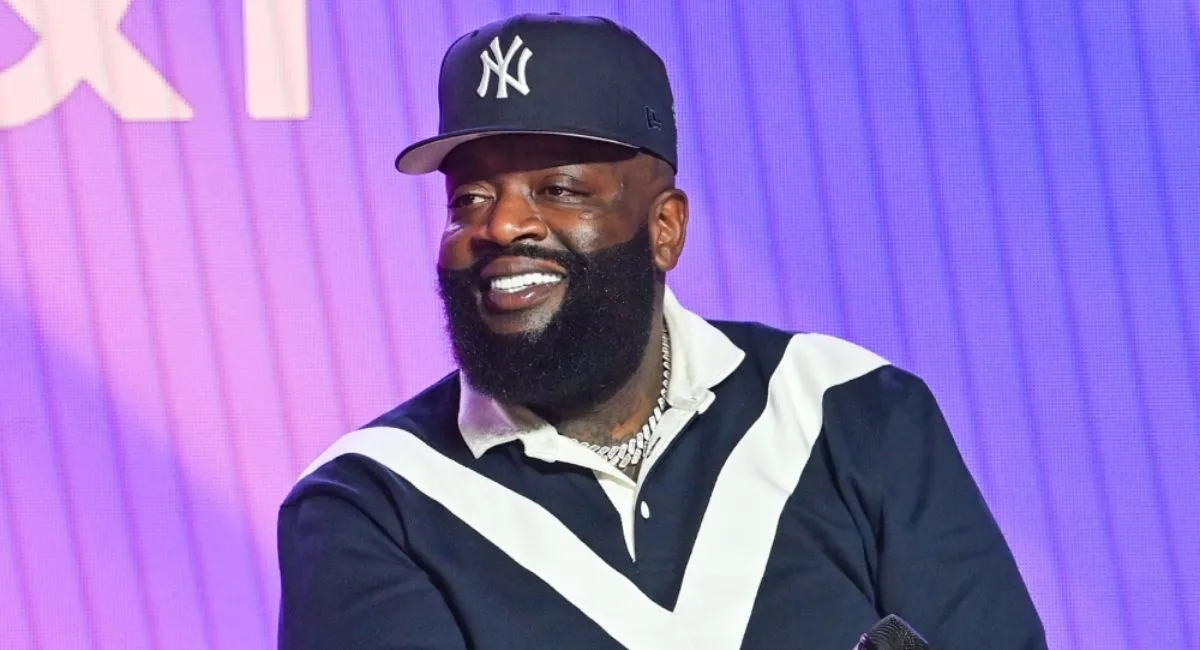
Decoding Rick Ross’s Empire: A Strategic Wealth Analysis
Rick Ross’s evolution from recording artist to business mogul offers a compelling case study in strategic wealth creation and asset diversification. His empire illustrates critical principles of leveraging core assets, identifying scalable opportunities, and mitigating risk through a multi-faceted investment approach. This analysis dissects his financial success, emphasizing ROI, business impact, and risk-benefit for informed decision-making.
The Foundation: Music as a Core Asset and Brand Catalyst
Ross’s music career generated initial revenue and, crucially, cultivated a powerful personal brand. This brand, synonymous with luxury and ambition, became an invaluable intangible asset. By establishing Maybach Music Group, Ross transitioned from artist to executive, capturing a larger value share through vertical integration and IP ownership, demonstrating foresight in long-term ROI. While the music industry carries market volatility risks, the benefit was a durable brand engine powering diverse entrepreneurial ventures beyond sales. His success highlights a strong brand’s critical role in wealth acceleration.
Strategic Diversification: Real Estate and Franchise Holdings
Ross’s calculated expansion into tangible assets like real estate and scalable business models such as restaurant franchises exemplifies astute diversification. His extensive real estate portfolio provides long-term capital appreciation, passive income, and strategic venues, enhancing his brand and hedging against inflation. Concurrently, Wingstop franchises showcase another strategic vector. Franchises offer a proven operational model and brand recognition, reducing startup risks. This allows scalable growth with predictable cash flow, appealing to investors seeking operational leverage and consistent returns, diversifying away from entertainment fluctuations.

Brand Leveraging and Entrepreneurial Ventures
Beyond music, real estate, and franchises, Rick Ross masterfully capitalizes on his potent personal brand through diverse entrepreneurial ventures and strategic partnerships. His association with premium brands like Luc Belaire and Bumbu translates influence into direct revenue streams and equity stakes. These ventures are high-margin, often requiring less operational overhead, benefiting directly from his celebrity platform. The strategy identifies products aligning with his persona—luxury, success—creating synergistic marketing opportunities. While risks include brand dilution or reputational damage, benefits are rapid market entry, reduced customer acquisition costs, and an expansive ecosystem reinforcing financial strength.
Assessing the Portfolio: Growth, Risk, and Legacy
Rick Ross’s financial portfolio is a masterclass in wealth management, balancing high-growth opportunities with stable asset accumulation. His strategic decisions across music, real estate, franchising, and brand partnerships demonstrate clear understanding of ROI, risk mitigation, and long-term value creation. The portfolio is designed for sustained growth and legacy. Effective management requires a competent professional team for operational efficiency and strategic oversight. Challenges include market volatility, managing diverse operations, and safeguarding brand integrity. For those seeking to emulate this success, cultivate a strong core asset, strategically diversify into proven models, and relentlessly leverage your unique value proposition.
| Investment Type | Benefit | ROI | Risk | Implication |
|---|---|---|---|---|
| Music/IP | Brand Foundation, Global Reach | High (variable) | Medium-High | Core Asset, IP Ownership |
| Real Estate | Capital Appreciation, Passive Income | Medium (stable) | Medium | Tangible Diversification |
| Franchises | Scalable Model, Predictable Cash Flow | Medium-High | Medium | Operational Leverage |
| Endorsements | High Margin, Low Overhead | High (brand alignment) | High | Synergistic Revenue |
“True wealth isn’t just about income; it’s about asset accumulation and diversification. Rick Ross epitomizes the strategic shift from monetizing talent to building an enterprise that generates wealth across multiple uncorrelated income streams, a vital lesson for any serious investor.” – Dr. Eleanor Vance, Economist.
“The power of a personal brand in the digital age cannot be overstated. When leveraged correctly, as Ross has done with his luxury persona, it becomes a marketing engine reducing customer acquisition costs for new ventures and elevating partnership potential. It’s about strategic brand equity conversion.” – Marcus Thorne, Brand Strategist.
How does Rick Ross’s approach to wealth building apply to small businesses?
Small businesses can learn from Ross’s diversification by leveraging core competencies to create secondary income streams. A design firm, for instance, might offer online courses, mirroring how Ross monetized his brand beyond music. This involves identifying scalable opportunities and reinvesting profits into assets for passive income or expanded market reach.
What are the primary risks in managing such a diverse portfolio?
Managing a diverse empire involves significant risks: market volatility across sectors, operational complexities of distinct businesses, and maintaining brand consistency. Risks also include over-leveraging and reputational damage. Effective mitigation requires a robust management team, clear governance, and continuous market analysis.
Is brand endorsement a sustainable long-term wealth strategy?
Brand endorsement can be sustainable if managed strategically. Sustainability hinges on authenticity, alignment with the endorser’s personal brand, and careful partner selection. Endorsements evolving into equity stakes become more sustainable, transforming fees into recurring assets. However, relying solely on fees without building proprietary assets is precarious as influence can wane.