
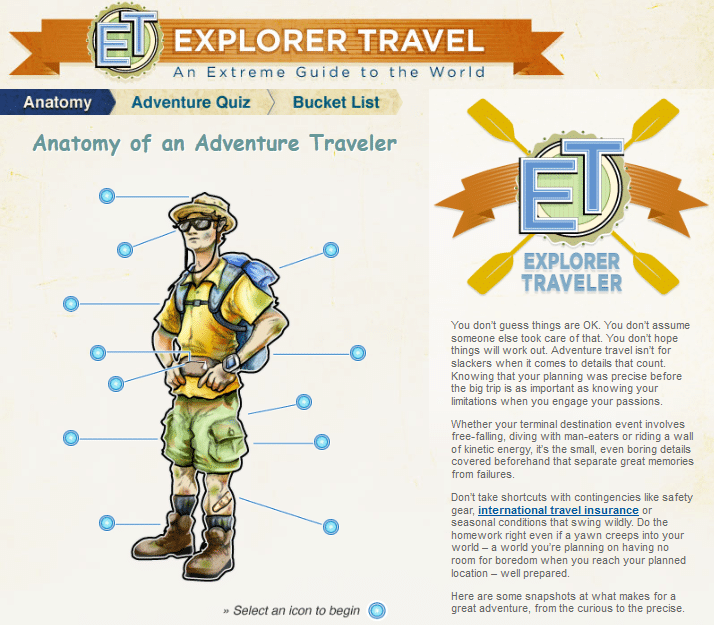
What Defines an Adventure Traveler?
After more than 15 years navigating everything from Patagonian wilds to Marrakech street markets, I’ve seen what truly defines a ‘person who loves travelling and adventure.’ It’s a blend of mindset, preparation, and unyielding curiosity, transforming trips into profound experiences.
The Mindset of the Modern Explorer
Being an adventure traveler is a fundamental shift in perspective. It means embracing the unknown, seeking authentic interactions, and pushing personal boundaries. My solo trek through the Annapurna Circuit taught me resilience facing altitude sickness and the warmth of local villagers, proving adventure goes beyond peaks. Beginners often equate adventure with extreme sports or over-plan, missing crucial spontaneity.
Pro Tip 1: Cultivate a ‘yes, and…’ attitude. Be open to unexpected opportunities – an impromptu invite or a hidden trail.
Pro Tip 2: Define your unique adventure. It could be mastering a local craft, not just summiting Everest, or navigating a new city without GPS.
Crafting Journeys, Not Just Itineraries
Translating an adventurous spirit into tangible travel means selecting destinations wisely, understanding logistics, and preparing for the unforeseen. For a multi-day kayak trip through a remote archipelago, the real adventure was in researching tidal charts, sourcing supplies from local fishing communities, and setting emergency contacts, long before paddling. Common mistakes include over-reliance on rigid blog itineraries without considering personal fitness or local nuances, or packing ‘just in case’ instead of ‘just enough,’ burdening the journey.

Pro Tip 1: Research beyond tourist traps. Seek local guides, community-based initiatives, and off-season opportunities for deeper authenticity.
Pro Tip 2: Master minimalist packing. Every item must serve multiple purposes or be essential. Less baggage ensures greater freedom and flexibility.
Embracing the Unforeseen and Overcoming Obstacles
True adventure inevitably involves challenges. It’s about developing resilience, not avoiding them. On a motorbike trip in Southeast Asia, my bike broke down in a rural village. Instead of panic, hand gestures and a basic phrasebook allowed villagers to help, making that interaction more memorable than planned sightseeing. Beginners often panic at the first sign of trouble, expecting perfection. They view delays or language barriers as failures, rather than integral parts of the journey.
Pro Tip 1: Develop basic problem-solving and a stoic mindset. Learn key local phrases, carry a small repair kit, and practice staying calm.
Pro Tip 2: Embrace the ‘detour doctrine.’ Getting lost or taking an unexpected path often leads to the best experiences, building character and unique stories.
The Continuous Journey: Sustaining a Life of Adventure
Adventure isn’t merely a trip; it’s a way of life, integrating that spirit into your everyday. After extensive global travel, I infuse adventure into home life: exploring local parks, trying new cuisines, or learning outdoor skills. This keeps the fire burning between bigger expeditions. A common mistake is viewing adventure solely as an escape, leading to burnout at home. Neglecting sustainable and ethical practices also harms the places we love to explore.
Pro Tip 1: Prioritize continuous learning. A new language, survival skill, or regional history enriches every travel experience.
Pro Tip 2: Practice responsible tourism. Leave no trace, support local economies directly, respect cultural norms, and advocate for environmental protection. Your adventures should benefit, not burden, your destinations.
| Adventure Style | Primary Focus | Typical Duration | Planning Effort | Gear Intensity |
|---|---|---|---|---|
| Backpacking | Budget, cultural immersion, flexibility | Long-term (weeks-months) | Moderate | Low to Medium |
| Expedition Travel | Remote exploration, challenging terrain | Medium to Long (weeks) | High | High |
| Cultural Immersion | Deep dive into local traditions, food | Short to Medium (days-weeks) | Low to Moderate | Low |
| Adventure Sports | Specific activities (climbing, rafting) | Short (days) | Moderate | High |
| Overlanding | Self-sufficient vehicle-based journeys | Long-term (weeks-months) | High | Medium |
I’ve learned that the most thrilling adventures aren’t always found on a map. They’re in the quiet moments of connection with a stranger, the unexpected beauty of a sunrise after a rough night, or the profound realization of your own resilience.
For fifteen years, my compass has pointed not just to geographic north, but to the north of self-discovery. Every journey is an opportunity to learn, adapt, and grow, pushing the boundaries of what I thought possible.
FAQ
What’s the best way to start if I’m new to adventure travel?
Begin locally. Instead of a huge expedition, try a multi-day hike in a nearby park, navigate a new city without a map, or visit a culturally distinct town for a weekend. Build skills, confidence, and comfort incrementally. Focus on accessible challenges that gently push your boundaries, like first-time camping or a new outdoor sport. This helps you learn what you enjoy before committing to larger, more complex trips.
How do you balance adventure travel with a full-time job or responsibilities?
It requires strategic planning and a perspective shift. Maximize weekends and public holidays for intense, shorter adventures. Leverage remote work if possible. Save annual leave for longer expeditions, combining trips. For me, it meant disciplined finances, prioritizing experiences over possessions, and sometimes taking unpaid leave. Remember, adventure isn’t always far away; local exploration fits busy schedules.
Is adventure travel inherently expensive, and how do you fund it?
Not necessarily. While some expeditions are costly, much of adventure travel relies on resourcefulness. I’ve funded my travels through diligent saving, seasonal work abroad, freelancing, and embracing budget-friendly styles like backpacking, camping, and cooking meals. Prioritize experiences over luxury. Seek free activities like hiking, wild camping (where permitted), or local markets. Volunteering or work exchange programs also reduce costs significantly by covering accommodation and food.