
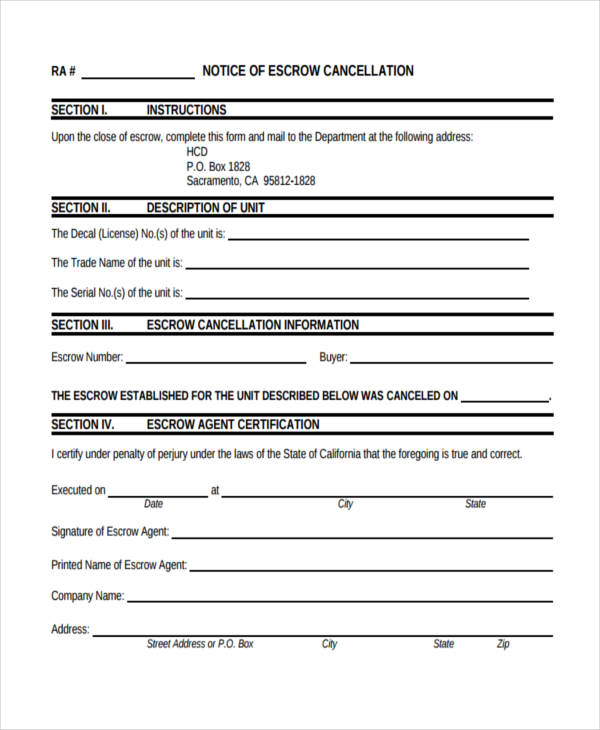
Evaluating the Decision to Cancel Your Mortgage Escrow Account
For many homeowners, mortgage escrow simplifies managing property taxes and insurance. Taking direct control, however, presents both benefits and risks. This guide offers a strategic framework to help you evaluate if canceling your escrow aligns with your financial goals, risk tolerance, and wealth management strategy.
Understanding Your Escrow Account and Eligibility
A mortgage escrow account protects lenders by collecting property taxes and insurance with monthly payments. While convenient, cancelling escrow demands meeting specific, non-negotiable criteria from your lender and state regulations—your first crucial strategic step.

Eligibility typically requires a Loan-to-Value (LTV) ratio below 80% (or 78%) and a clean payment history (12-24 months without late payments). FHA or VA loans often have mandatory escrow. Always verify your lender’s exact requirements, as eligibility is fundamental to further evaluation.
The Financial Impact: ROI and Cash Flow Implications
Canceling escrow significantly alters monthly cash flow. Your mortgage payment decreases as tax and insurance portions are removed, freeing up hundreds of dollars. This capital, if strategically deployed, offers enhanced financial returns. From an ROI perspective, utilizing this cash for a high-yield savings account or high-interest debt provides a tangible return, often exceeding typical escrow earnings. Without discipline, this capital can dissipate, risking strain when large bills are due. Effective personal financial management is critical, mirroring rigorous business expense management.
Risk Assessment and Management for Self-Management
Financial control brings increased responsibility and risk. Managing taxes and insurance directly means you’re solely accountable for timely, accurate payments. Primary risks include missed deadlines, under-budgeting, severe penalties (e.g., tax liens), or lapsed insurance leading to devastating loss or force-placed coverage. These high-impact risks demand robust mitigation.
Effective risk management requires impeccable financial discipline. Establish a dedicated, interest-bearing savings account for taxes and insurance, with automated monthly transfers. Proactively monitor property tax assessments and insurance premiums, setting redundant reminders for payment due dates. For those with strong financial literacy and an emergency fund, risks are manageable; for others, escrow’s safety net often outweighs direct control.
- Increased Financial Control: Decide where your money is held, potentially earning interest.
- Opportunity for Investment: Funds can be strategically invested or used to pay down high-interest debt.
- Simplified Mortgage Statements: Your monthly statement only shows principal and interest.
- Direct Engagement with Providers: Manage insurance renewals and tax appeals directly, potentially finding better rates.
- Elimination of Escrow Surpluses/Shortages: No more unexpected checks or sudden demands for increased escrow payments.
- Budgetary Visibility: Direct oversight of two major homeownership costs.
Common Mistakes to Avoid
- Not Verifying Eligibility: Assuming you can cancel without meeting lender requirements.
- Underestimating Future Costs: Failing to adequately budget for potential increases in property taxes or insurance premiums.
- Lacking a Dedicated Savings Plan: Treating freed monthly cash as disposable income instead of saving for lump-sum payments.
- Ignoring Due Dates: Missing tax or insurance payment deadlines, leading to penalties, lapsed coverage, or forced-placed insurance.
- Neglecting Policy Reviews: Not regularly shopping for better insurance rates or failing to challenge inaccurate property tax assessments.
- Insufficient Emergency Fund: Not having a buffer to cover unexpected increases or financial shocks.
- Assuming Lender Communication: Expecting your lender to remind you of tax and insurance due dates once escrow is cancelled.
FAQ
What are the typical eligibility requirements to cancel escrow?
Lenders usually require an LTV below 80% (or 78%) and a clean payment history (12-24 months without late payments). FHA or VA loans often mandate escrow. Always confirm specific lender requirements.
How much can I realistically save or earn by canceling escrow?
Savings stem from opportunity cost. Saving funds in a high-yield account (e.g., 3-5% APY) earns interest on money otherwise in non-interest-bearing escrow. For a $6,000 annual bill, this might be $180-$300 annually. Greater “earnings” stem from proactively securing better insurance rates or appealing property tax assessments. Without strategic management, there are no net savings, only increased financial risk.
What specific steps should I take if I decide to cancel?
First, confirm eligibility and lender’s cancellation process. Second, establish a dedicated, interest-bearing savings account for taxes and insurance, with automated monthly transfers. Third, actively research property tax and insurance due dates, setting reminders. Finally, notify your insurance provider and tax authorities that payments will come directly, ensuring bills are sent to your address.